
BNJ Focus
BNJ Bearing focuses on reliable, efficient bearings and application solutions for industrial customers. We provide professional selection advice based on load, speed, accuracy, lubrication and installation conditions.
Learn More →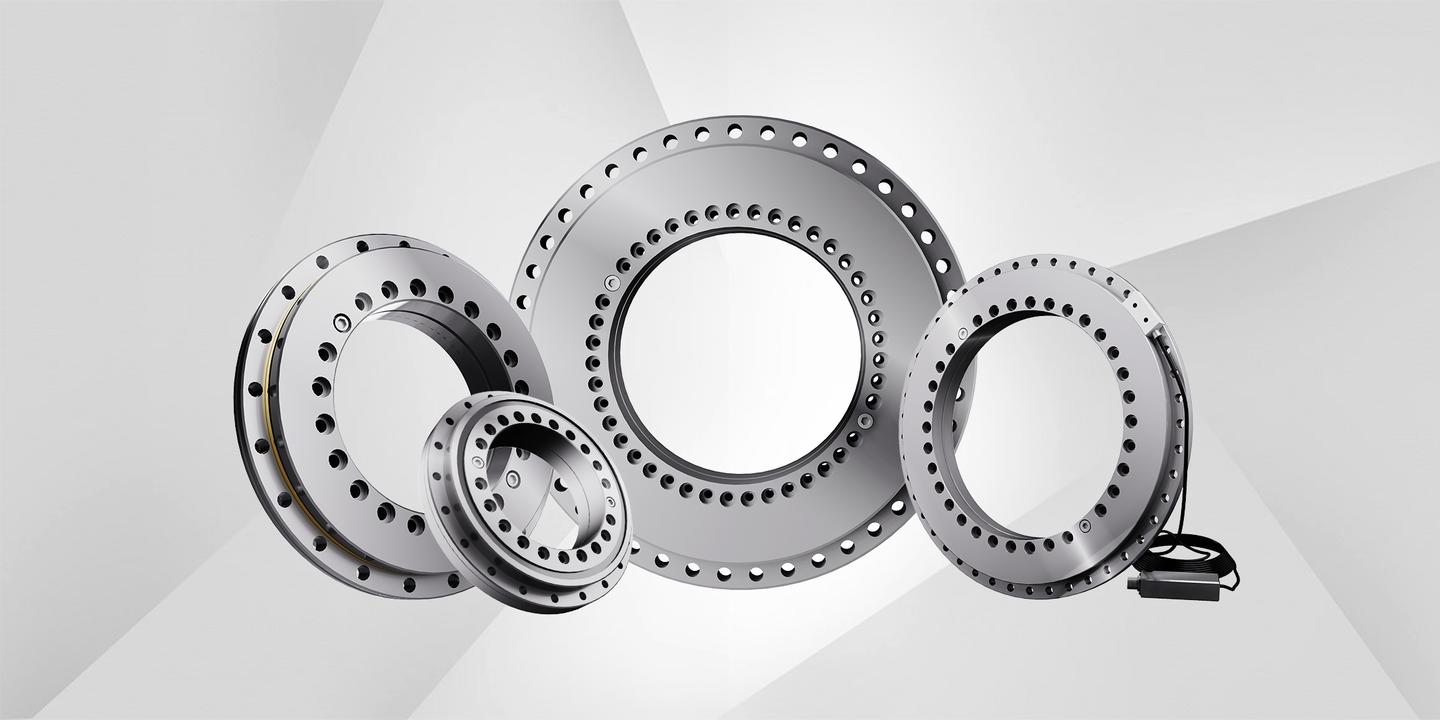 How to Select and Install Turntable Bearings2026-08-25
BNJ Bearing focuses on reliable, efficient bearings and application solutions for industrial customers. We provide professional selection advice based on load, speed, accuracy, lubrication and installation conditions.
Learn More →Turntable bearings are critical support and rotation components in industrial equipment. Correct selection and installation directly affect equipment accuracy, service life and reliability.Select the bearing type according to speed, load, temperature, corrosion resistance, mat...
View Details →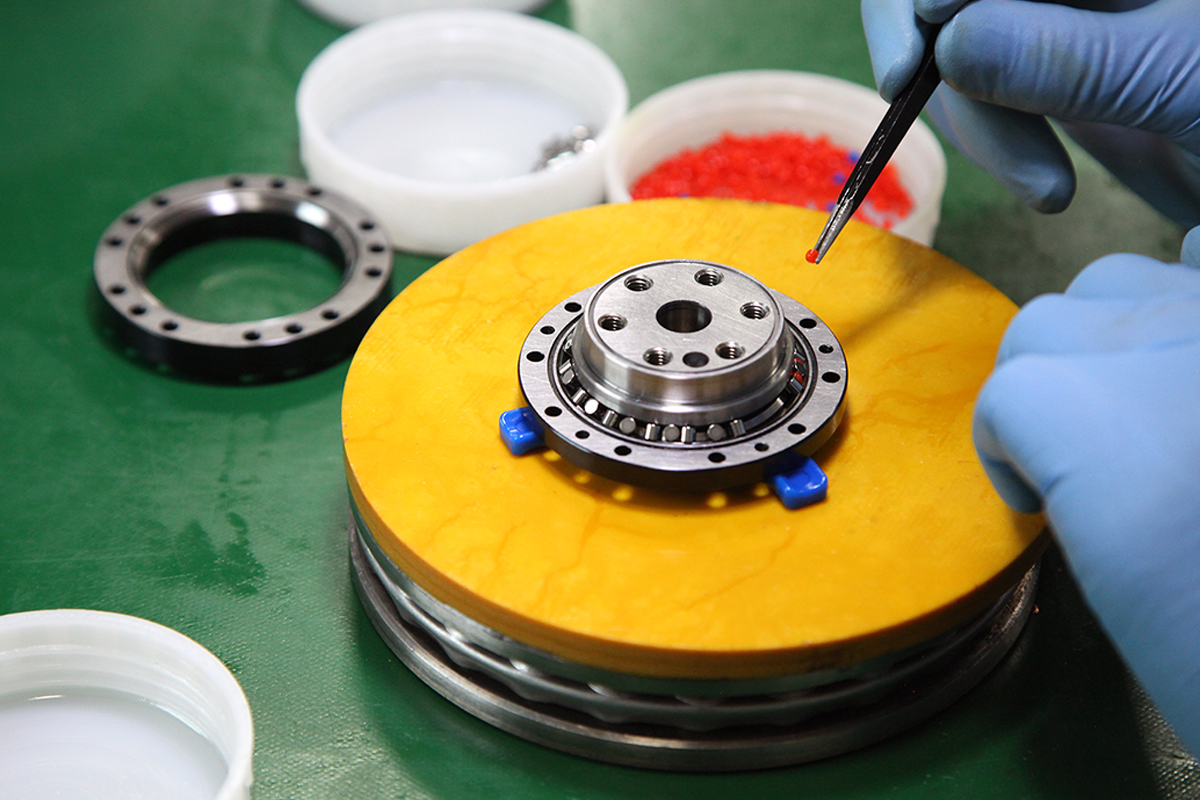
Crossed roller bearings arrange cylindrical or tapered rollers at 90-degree intervals in a V-shaped raceway. This structure supports radial load, axial load and overturning moment while delivering high rigidity, accuracy and a compact envelope.BNJ crossed roller bearings inclu...
View Details →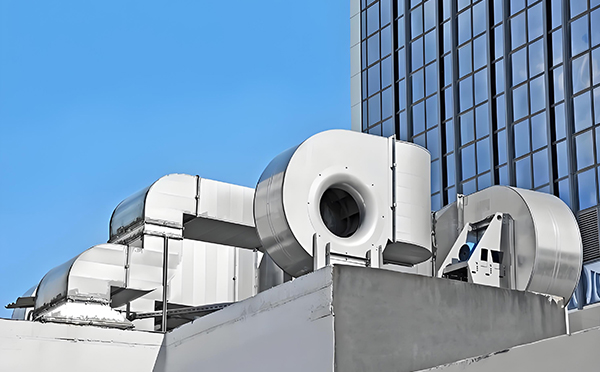
Industrial fan bearings operate at high speed and relatively light radial load. Temperature extremes, contamination and difficult maintenance locations make bearing configuration a critical reliability factor.For fan shafts, the solution may combine spherical roller bearings, ...
View Details →
Pump operators need lower total cost of ownership, longer maintenance intervals and reliable operation under increasingly strict safety and environmental requirements. Bearing selection and sealing are central to these goals.Water, wastewater and food-processing pumps benefit ...
View Details →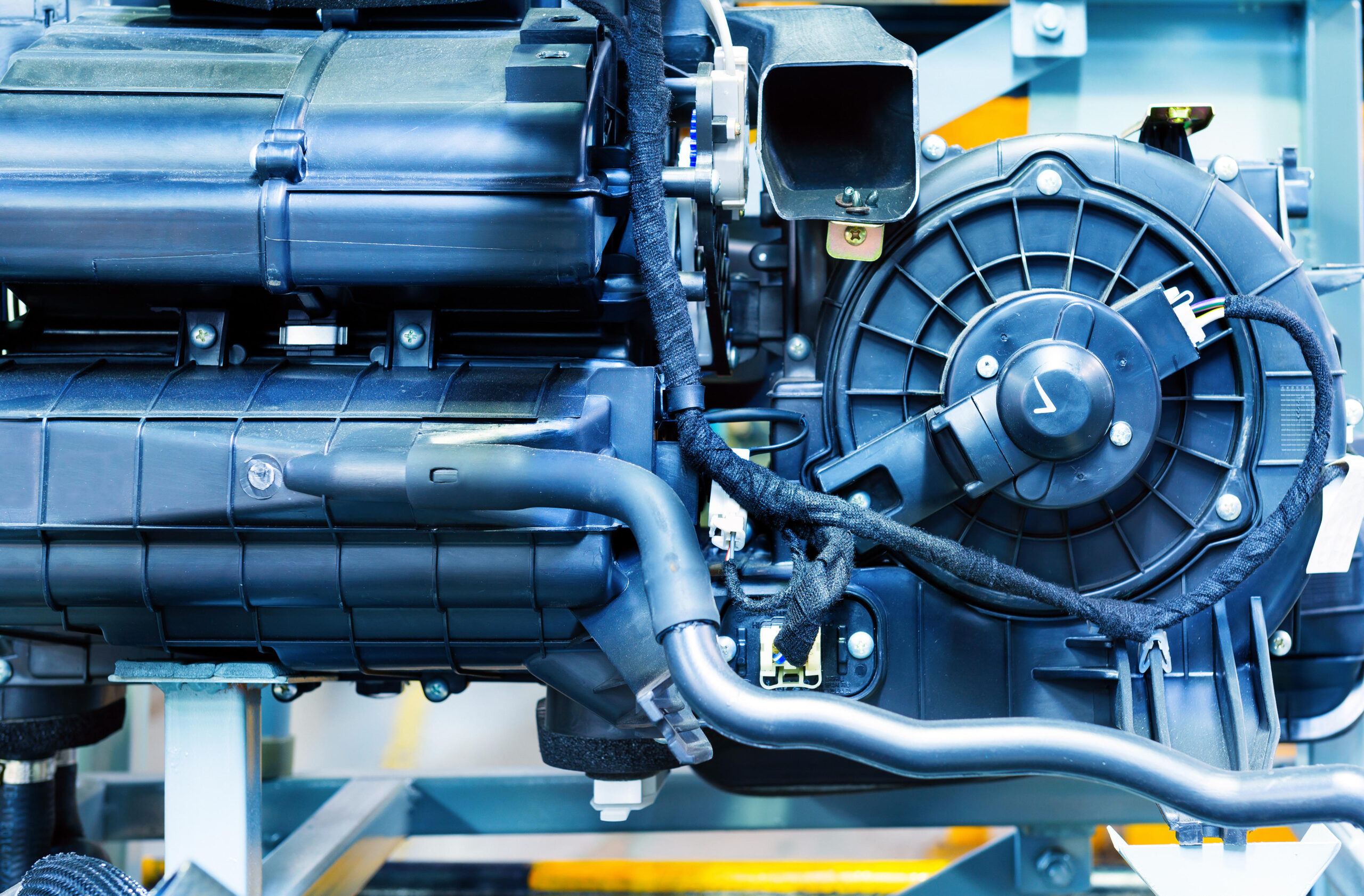
Motor bearings support the rotor and guide shaft rotation. Selection should consider bearing type, speed, radial and axial load, operating temperature, internal clearance, insulation, lubrication and sealing.During assembly, control shaft and housing tolerances, roundness and ...
View Details →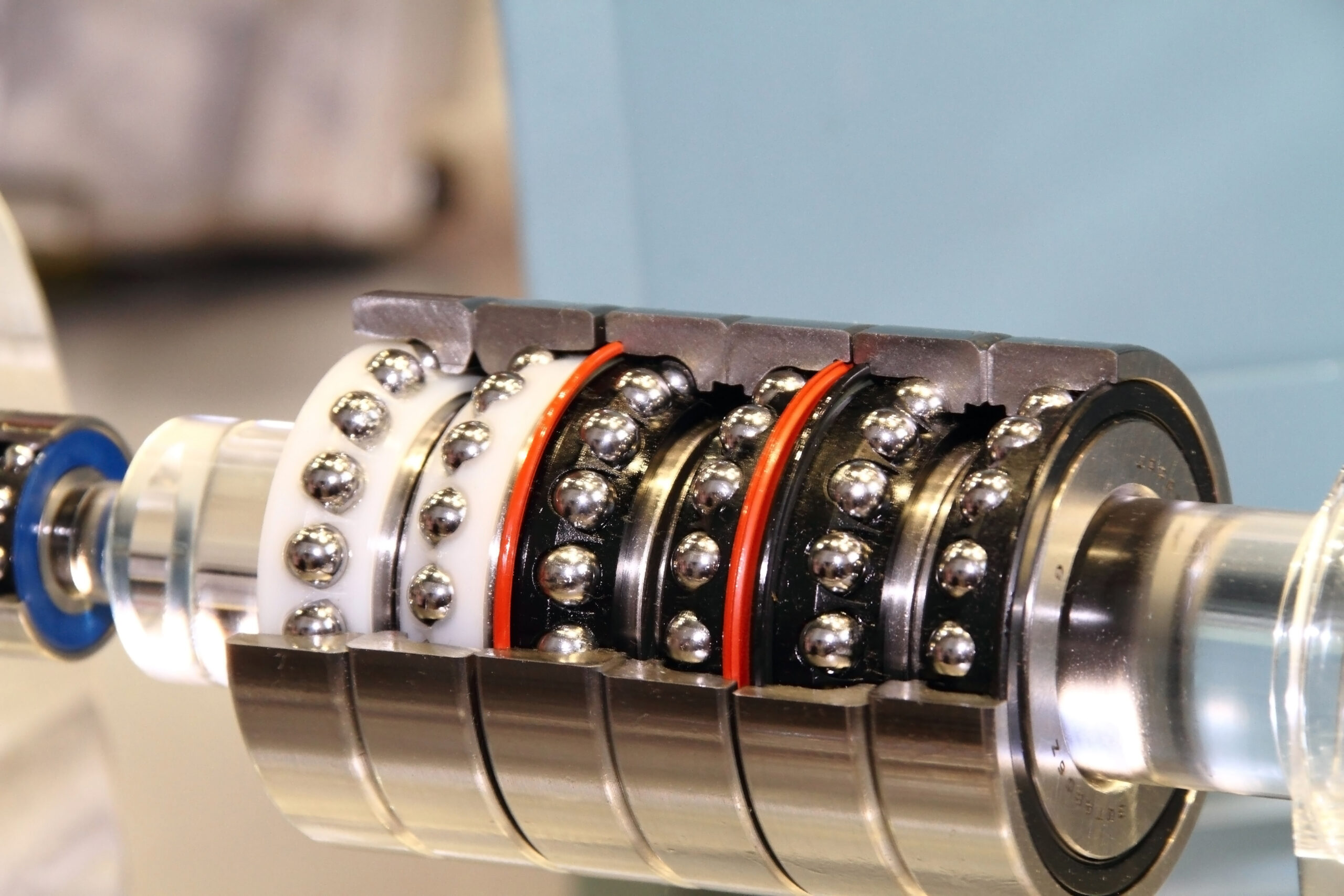
Paired bearings are used when a single bearing cannot provide the required radial and axial load capacity or rigidity. Common CA, CB and CC universal pairs can be installed in tandem, face-to-face or back-to-back arrangements.Pairing changes axial clearance, stiffness and load...
View Details →
Choosing a bearing starts with the actual load, direction, speed, temperature, environment and available space. Light or medium loads often suit ball bearings, while heavy or shock loads may require roller bearings.Specify the correct internal clearance, grease, seal and preci...
View Details →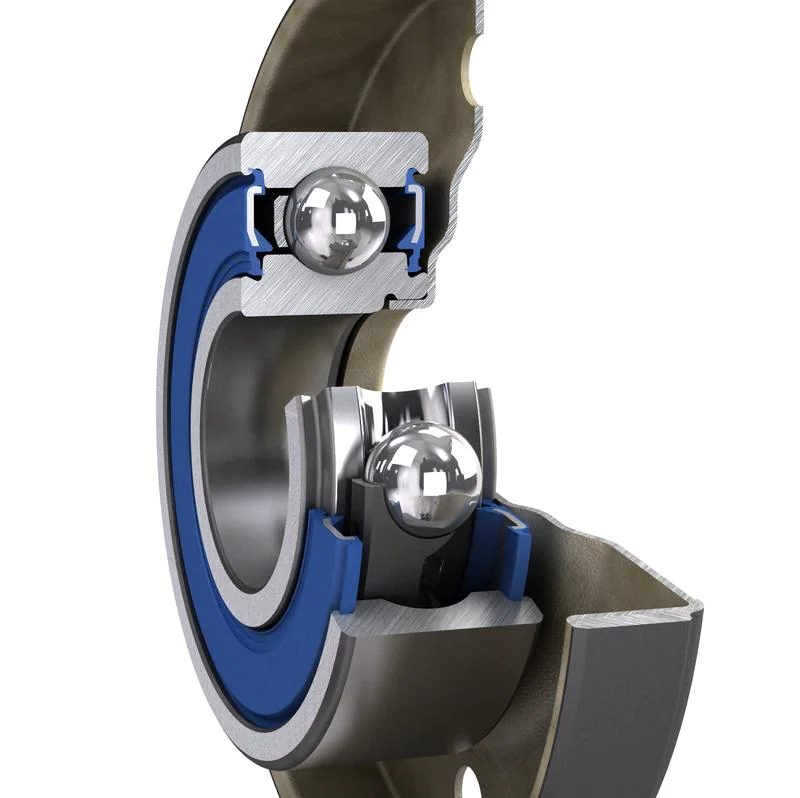
Bearings can be classified by load direction as radial, thrust or combined-load bearings, and by friction as rolling or sliding bearings. Rolling designs include ball, cylindrical roller, tapered roller, needle roller, spherical roller, thrust and crossed roller bearings.Deep ...
View Details →
Typical bearing damage includes spalling, flaking, scoring, wear, discoloration, dents, fracture, rust, electrical erosion, raceway misalignment and cage damage.Root causes include contamination, insufficient or excessive lubrication, incorrect fits, overload, vibration, misal...
View Details →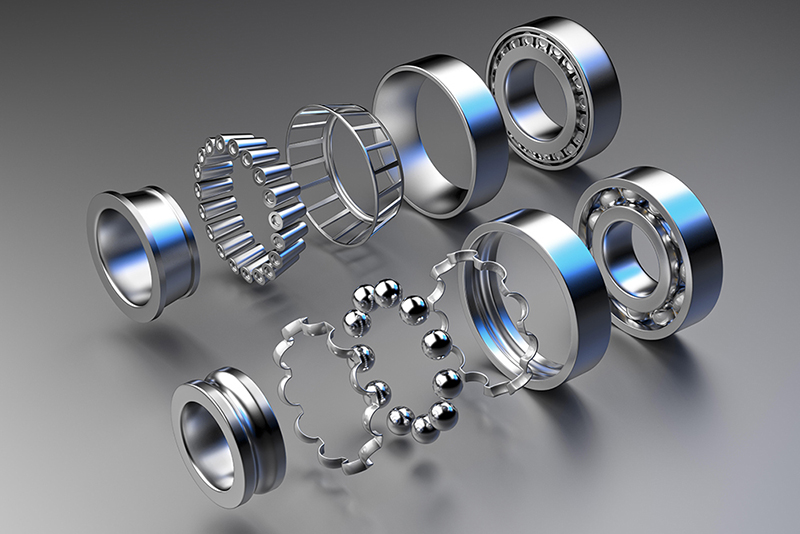
A rolling bearing consists of an inner ring, outer ring, rolling elements and cage. The rings and rolling elements carry repeated contact stress; the cage keeps the rolling elements evenly spaced and guides their motion.High-carbon chromium bearing steel such as SUJ2 is widely...
View Details →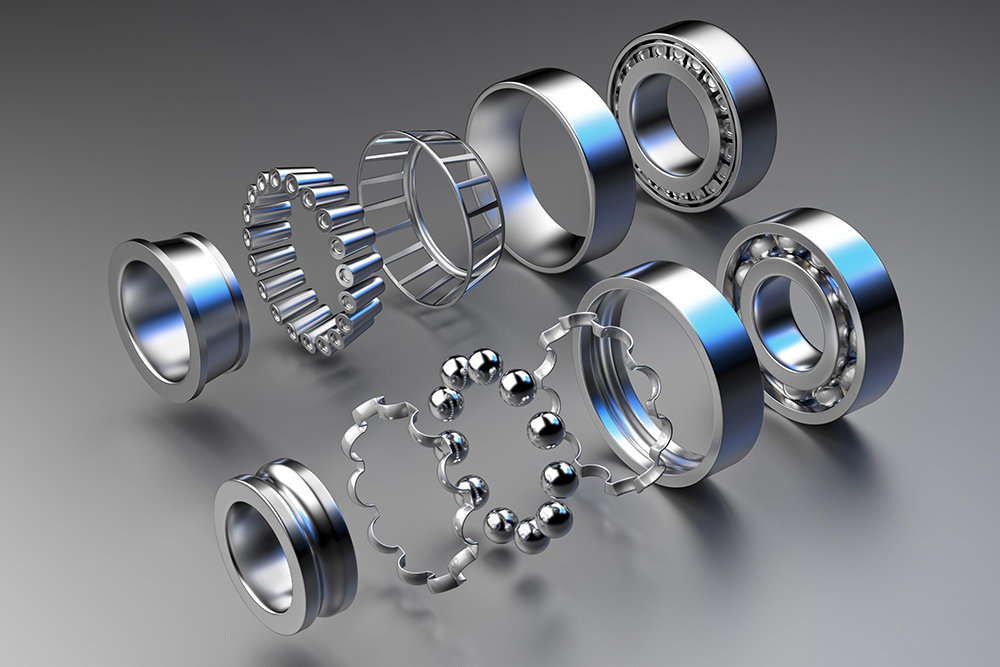
Clean installation surfaces and a clean work area are essential. Even small chips, dust or burrs can create noise, vibration and raceway damage.Use the correct grease and quantity. Overfilling causes churning and heat; in many applications, filling one-half to one-third of the...
View Details →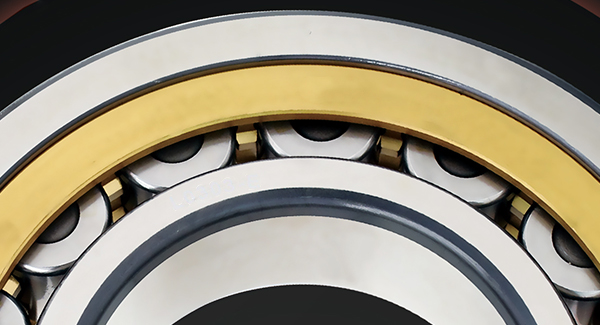
Bearings should be selected from the equipment duty rather than from the model number alone. Confirm load, speed, temperature, fit, internal clearance, lubricant, seal type and required life.For example, CM clearance is common in many motors below 3,500 rpm, while high-tempera...
View Details →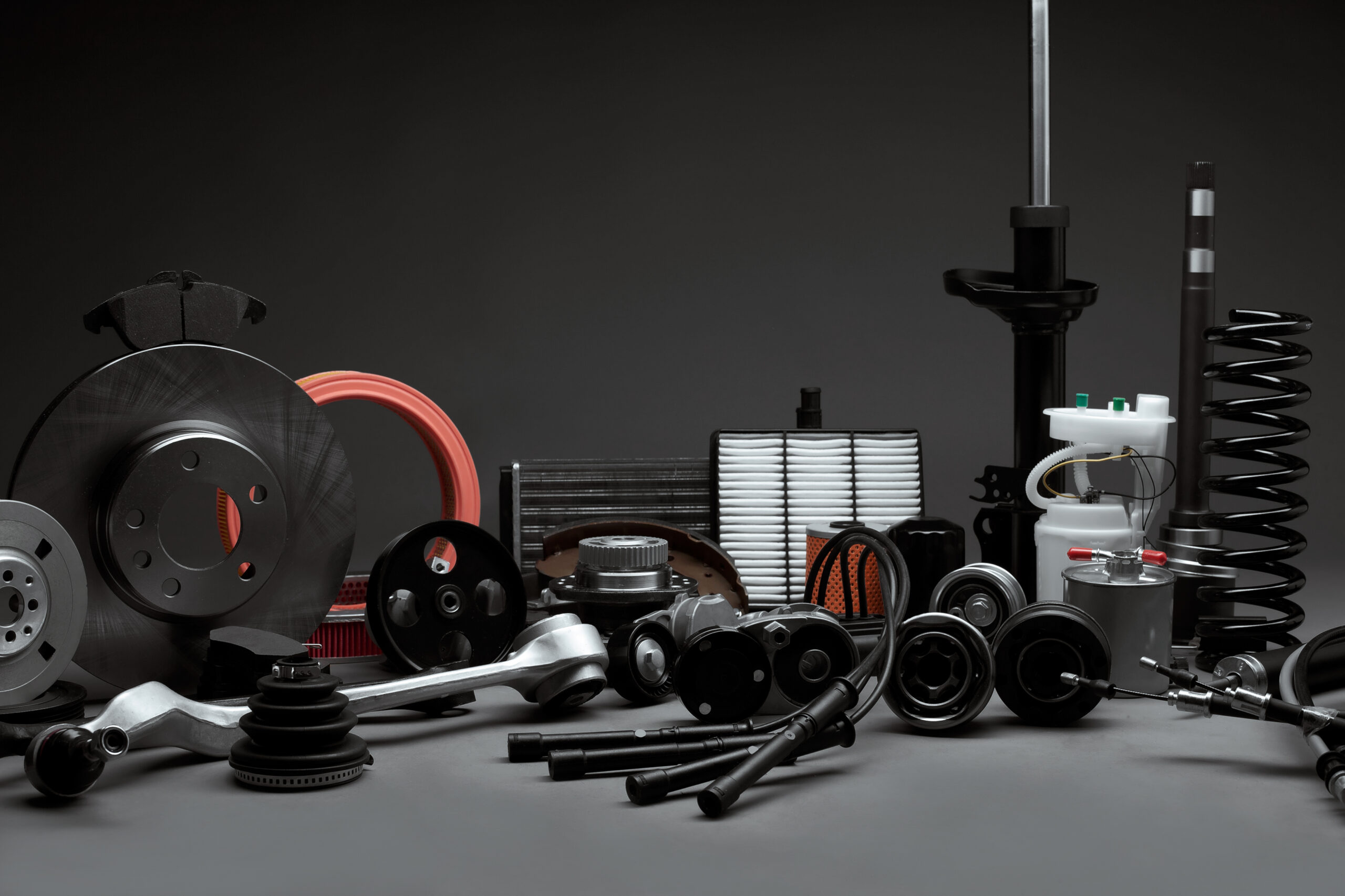
Cold mounting is suitable when the fit is not excessively tight. Apply even force through a sleeve or dedicated impact ring, and never transmit force through the rolling elements.When mounting a non-separable bearing, apply the same pressure to the inner and outer rings. For s...
View Details →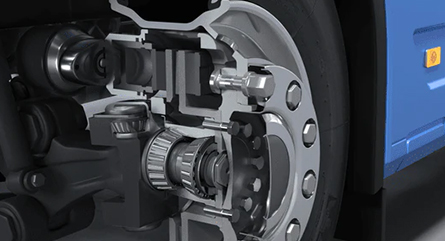
Bearings are used to support relative motion and carry radial, axial or combined loads. Common families include angular-contact, deep groove, mounted, linear, thrust, cylindrical roller, tapered roller, needle roller, spherical roller and crossed roller bearings.Deep groove ba...
View Details →